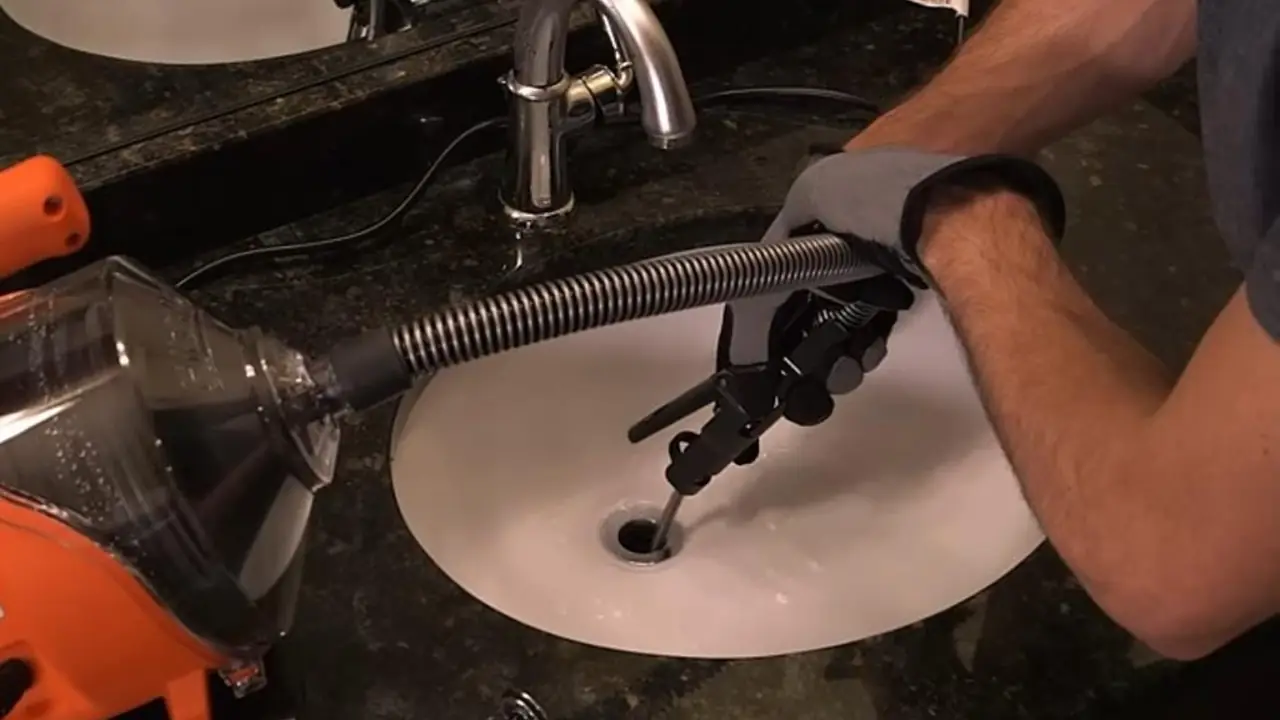
A sink that drains slowly with no visible clog is frustrating. You have pulled the stopper, cleaned off the hair and tried a cleaner, and the water still crawls down. The cause is usually not a lump of hair in the drain. It is something about how air and water move in the pipe.
A drain needs air behind the water. The vent pipe lets air in as water goes out, so the water flows without a vacuum. If the vent is blocked, or the pipe slope is wrong, the sink can drain slowly or gurgle even when the pipe is open.
This guide goes through the causes in the order that is quickest to check.
Hidden causes of a slow bathroom sink
Work down the list.
| Cause | Clue | What to do |
|---|---|---|
| Pop-up stopper rod blocked with hair and soap | Slow even though the drain looks clear | Remove the stopper and clean the rod and pivot |
| Soap film and hair lining the trap | Slow for weeks, smells a little | Remove and clean the trap |
| Blocked vent | Gurgling, slow drain, other fixtures also act strange | Clear the vent, often from the roof |
| Pipe slope too flat or sagging | Slow since installation or a remodel | Re-pitch the drain line |
| Partial clog in the branch line | Other fixtures on the same line are slow | Cable the line, see drain cleaning |
Check the stopper and the trap first
Most bathroom sinks have a pop-up stopper connected by a rod under the sink. The rod and the stopper body trap hair and soap right in the flow path. Even when the drain looks open, the stopper assembly can restrict the opening to a small gap.
Lift the stopper out if it comes out, or disconnect the rod under the sink. Clean the stopper and the pivot. Then place a bucket under the trap and unscrew the slip nuts to remove it. The trap often holds a gray mass of soap and hair.
Put it back with the washers seated correctly. Run water and watch for leaks at the nuts.
When the vent is the problem
A vent pipe runs from the drain line up through the roof. It lets air in and sewer gas out. Leaves, a bird nest or ice can block the opening at the roof, and a partly blocked vent causes slow drainage and gurgling at several fixtures.
You can sometimes test this. If the sink drains better when you open a window or when a toilet nearby is flushed, the vent is a suspect. Do not climb on a roof in winter. A plumber can check the vent safely and clear it with a cable or a camera.
If the vent is fine and the drain is still slow, the slope matters. A drain line that is too flat holds water, and one that is too steep can leave solids behind. This shows up in remodels where fixtures were moved.
When it is the main line
If the bathroom sink, tub and a toilet are all slow, or one gurgles when another is used, the branch line or main drain is partly blocked. Stop using water and see sewer line cleaning. A line that keeps partly blocking may need a camera. See sewer inspection.
If one sink is slow and everything else is fine, the cause is local to that sink, and the steps above should find it.
A short checklist before you call
Check the stopper and pivot rod, clean the trap, run water at the tub and toilet nearby and listen for gurgling. Note whether the sink drains faster when you open a window or flush a toilet. Note when the problem started and whether anything changed, such as a remodel or a new vanity.
That list takes twenty minutes. It lets a plumber go straight to the likely cause and saves you from paying for a search.
What a plumber does that you cannot
A cable reaches into the drain branch past the trap and clears buildup you cannot touch. A camera shows slope problems and rough joints. A smoke or air test finds a blocked vent without anyone climbing on the roof.
Those tools turn a guess into a diagnosis. If the sink is the only problem, the visit is short. If it is a symptom of something larger, you find out before it becomes a backup.
Checks that cost nothing
Run the tap and watch the water. If it drains slowly even with nothing in the stopper area, remove the stopper and look for hair and residue wrapped on the pivot rod. Many slow drains start there, not in the pipe.
Next, check the vent. Listen for gurgling and a delay before the water moves. If the sink drains slowly and gurgles at the same time, the cause may be a partly blocked vent or a restriction in the branch line. Both are worth a plumber's look.
Huntley note: vents, code and permits
The Village of Huntley adopted the Illinois State Plumbing Code, which governs how fixtures are vented and how drain lines slope. A remodel that moves a sink may need a permit, and the Village lists plumbing systems among permit projects. Development Services at (847) 515-5252 answers questions.
If you bought a Huntley home that was remodeled by a previous owner, a slow sink after the remodel may point to a drain that was altered without a vent or without the right slope. A plumber can tell, and the permit history for your address is a record you can ask about.
Illinois requires licensed plumbers for plumbing work.
Frequently asked questions
The stopper assembly, a coated trap, a blocked vent or a flat pipe slope. Check them in that order.
Yes. Without air behind the water, drainage slows and pipes gurgle.
We advise against it. If it does not clear, it sits in the pipe and burns whoever opens it next.
Disconnect the rod under the sink, lift the stopper and clean the pivot and stopper body.
Older drain lines corrode and catch debris. Newer ones can have slope problems after remodels. A camera check tells the story.
Still unsure what you are dealing with? Describe it to a dispatcher and get a straight answer.
Call (847) 281-8626If the sink is still slow, call. We also serve Algonquin and Lake in the Hills, and faucet repair covers the fixture itself.
According to plumbing standards, venting and slope are set by the Illinois State Plumbing Code that Huntley adopted.